Vibe Coding: The Revolutionary Future of Software Development in 2026
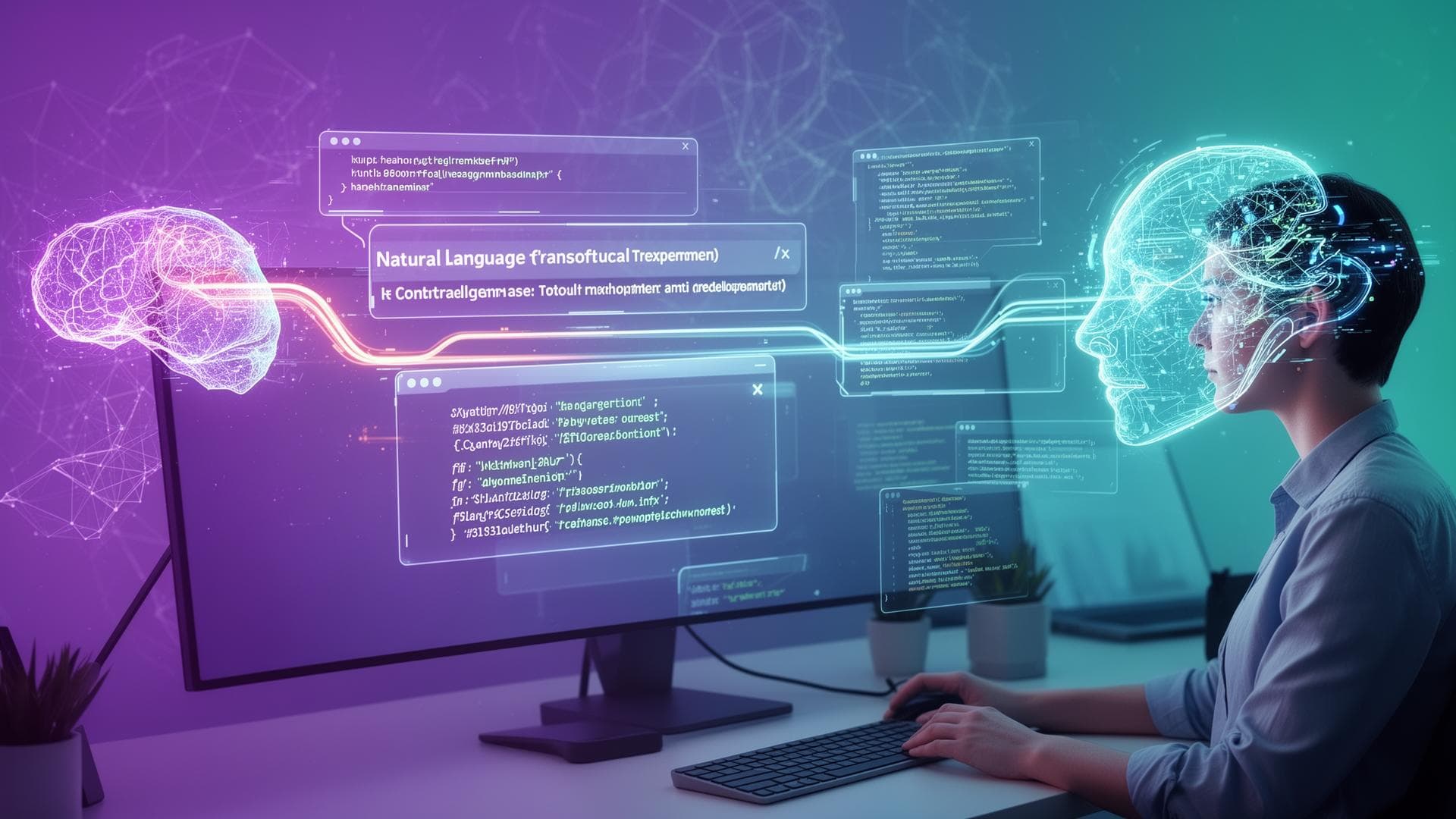
The software development landscape is experiencing its most significant transformation since the advent of high-level programming languages. Welcome to the era of Vibe Coding – a revolutionary approach that's fundamentally changing how we build software. Instead of writing line-by-line code, developers now describe what they want in natural language, and AI systems bring their vision to life.
Executive Summary
Vibe Coding represents a paradigm shift from traditional programming to intent-driven development. Rather than focusing on syntax, algorithms, and implementation details, developers can now focus on what they want to build rather than how to build it. This approach is democratizing software development, accelerating project timelines by 10x, and enabling a new generation of creators who never learned traditional coding.
Key Statistics (2026):
- 73% of new software projects involve some form of AI-assisted development
- Vibe Coding tools have reduced development time by 60-80% on average
- Over 2 million "citizen developers" have built production applications using Vibe Coding
- Traditional coding skills remain valuable but are being augmented, not replaced
Chapter 1: What is Vibe Coding?
Defining the Vibe
The term "Vibe Coding" was popularized by Andrej Karpathy, former Tesla AI Director and OpenAI researcher, who described it as:
"You fully give in to the vibes, embrace exponentials, and forget that the code even exists."
In practice, Vibe Coding means:
- Describing intent instead of writing implementation
- Iterating through conversation instead of debugging line by line
- Focusing on outcomes instead of technical details
- Collaborating with AI as a development partner
The Vibe Coding Workflow
Traditional Development:
1. Understand requirements
2. Design architecture
3. Write code manually
4. Debug errors
5. Test functionality
6. Iterate and refine
Time: Weeks to months

Vibe Coding Approach:
1. Describe what you want in plain language
2. AI generates initial implementation
3. Review and provide feedback
4. AI iterates based on your input
5. Deploy and refine
Time: Hours to days
Real-World Example
Traditional Approach:
// Developer writes 200+ lines of code
import React, { useState, useEffect } from 'react';
import { supabase } from './lib/supabase';
// ... extensive implementation
Vibe Coding Approach:
"Create a task management app with drag-and-drop boards like Trello. Users should be able to create projects, add tasks with due dates, and collaborate with team members. Include real-time updates and email notifications."
The AI handles the implementation while you focus on the user experience and business logic.
Chapter 2: The Technology Behind Vibe Coding
Large Language Models (LLMs)
At the core of Vibe Coding are advanced Large Language Models that understand:
- Natural language descriptions
- Programming patterns and best practices
- Framework-specific implementations
- Security considerations
- Performance optimization
Leading Models for Vibe Coding:
- Claude (Anthropic) - Excellent for complex reasoning
- GPT-5 - Strong general-purpose coding
- Gemini (Google) - Multi-modal capabilities
- Specialized coding models (Codex, StarCoder, etc.)
AI Development Platforms
Integrated Vibe Coding Platforms:
- Lovable - Full-stack web application development
- Cursor - AI-powered code editor
- Replit - Collaborative AI development
- v0 by Vercel - UI component generation
- GitHub Copilot - In-line code assistance
The Technical Stack
Modern Vibe Coding platforms typically include:
- Frontend Generation: React, Vue, or Svelte components
- Backend Services: Serverless functions, databases, authentication
- Design Systems: Tailwind CSS, component libraries
- Deployment: Automatic CI/CD and hosting
- AI Services: Built-in AI capabilities for the applications
Chapter 3: Benefits of Vibe Coding
1. Democratization of Development
Before Vibe Coding:
- Years of learning required
- Syntax memorization
- Framework expertise needed
- High barrier to entry
With Vibe Coding:
- Natural language interface
- Immediate productivity
- Learn by doing
- Anyone can build
2. Accelerated Development Speed
| Project Type | Traditional Time | Vibe Coding Time | Speed Improvement |
|---|---|---|---|
| Landing Page | 2-3 days | 2-3 hours | 10x faster |
| CRUD Application | 2-4 weeks | 2-3 days | 7x faster |
| E-commerce Site | 2-3 months | 2-3 weeks | 6x faster |
| SaaS Platform | 6-12 months | 2-3 months | 4x faster |
3. Reduced Technical Debt
AI-generated code often follows:
- Consistent coding patterns
- Modern best practices
- Proper error handling
- Accessibility standards
- Security guidelines
4. Focus on Business Value
Developers can concentrate on:
- User experience design
- Business logic and workflows
- Customer feedback integration
- Market differentiation
- Strategic features
Chapter 4: Vibe Coding Best Practices
Effective Prompting Strategies
Be Specific About Requirements: ❌ "Make a website" ✅ "Create a modern portfolio website for a photographer with a gallery section that supports lightbox viewing, a contact form with email integration, and an about page with timeline of achievements"
Iterate in Small Steps: ❌ "Build me a complete e-commerce platform" ✅ "Let's start with the product listing page. Show products in a grid with images, prices, and an 'Add to Cart' button"
Provide Context: ❌ "Add authentication" ✅ "Add email/password authentication using the existing database. Users should be able to sign up, log in, reset passwords, and manage their profile"
The Vibe Coding Mindset
1. Embrace Experimentation
- Try different approaches
- Don't fear breaking things
- Iterate rapidly
- Learn from failures
2. Think in User Stories
- "As a user, I want to..."
- Focus on outcomes
- Describe the experience
- Let AI handle implementation
3. Maintain Quality Standards
- Review generated code
- Test thoroughly
- Understand the architecture
- Refactor when needed
Chapter 5: When Vibe Coding Works Best
Ideal Use Cases
✅ Perfect for Vibe Coding:
- MVP and prototype development
- Internal business tools
- Landing pages and marketing sites
- Standard CRUD applications
- Dashboard and admin panels
- Content management systems
- E-commerce implementations
- Mobile-responsive web apps
⚠️ Requires Hybrid Approach:
- Complex algorithms
- Performance-critical systems
- Large-scale enterprise applications
- Highly specialized domains
- Real-time systems
- Security-critical applications
Industry Applications
Startups:
- Rapid MVP development
- Market validation
- Investor demos
- Early customer acquisition
Small Businesses:
- Custom CRM systems
- Inventory management
- Customer portals
- Booking systems
Enterprises:
- Internal tool development
- Prototype testing
- Innovation labs
- Citizen developer programs
Chapter 6: The Future of Vibe Coding
Emerging Trends
1. Multi-Modal Development
- Voice-to-code capabilities
- Design-to-code conversion
- Sketch-to-application
- Natural conversation interfaces
2. Autonomous Development Agents
- Self-improving code
- Automatic bug detection and fixing
- Continuous optimization
- Proactive suggestions
3. Collaborative AI Teams
- Multiple specialized AI agents
- Automated code review
- Intelligent testing
- Documentation generation
Predictions for 2027 and Beyond
Short-term (2026-2027):
- Vibe Coding becomes mainstream
- 50% of new apps built with AI assistance
- Traditional coding education evolves
- New roles emerge (AI Prompt Engineers, AI Development Managers)
Medium-term (2028-2030):
- Full-stack applications from single prompts
- AI-human development teams standard
- Specialized industry AI models
- Visual + conversational development hybrid
Long-term (2030+):
- Thought-to-code interfaces
- Self-evolving applications
- AI as primary developer, humans as directors
- New programming paradigms
Chapter 7: Getting Started with Vibe Coding
Recommended Learning Path
Week 1: Foundations
- Understand AI capabilities and limitations
- Practice prompt writing
- Build simple projects (landing pages, forms)
- Learn to iterate effectively
Week 2-3: Intermediate Skills
- Full-stack application development
- Database integration
- User authentication
- API integrations
Week 4+: Advanced Applications
- Complex business logic
- Third-party service integration
- Performance optimization
- Production deployment
Tools to Start With
- Lovable - Best for full-stack web apps
- Cursor - For developers wanting AI-assisted coding
- v0 - For UI/component generation
- ChatGPT/Claude - For code snippets and learning
Chapter 8: Common Challenges and Solutions
Challenge 1: Code Quality Concerns
Problem: AI-generated code may have issues Solution:
- Review critical sections manually
- Implement automated testing
- Use linting and type checking
- Establish code review processes
Challenge 2: Understanding the Codebase
Problem: Hard to maintain code you didn't write Solution:
- Request documentation from AI
- Ask for explanations of complex sections
- Learn the patterns used
- Refactor for clarity when needed
Challenge 3: Security Considerations
Problem: AI might introduce vulnerabilities Solution:
- Always review authentication logic
- Use established security patterns
- Implement automated security scanning
- Follow security best practices
Challenge 4: Scalability
Problem: Generated code may not scale Solution:
- Design architecture upfront
- Request performance-optimized solutions
- Monitor and optimize as needed
- Plan for growth from the start
Conclusion: Embrace the Vibe
Vibe Coding is not replacing traditional development – it's evolving it. The developers who thrive in this new era will be those who:
- Embrace AI as a partner rather than a threat
- Focus on high-value activities like architecture and user experience
- Develop strong prompting skills for effective AI collaboration
- Maintain fundamental understanding of software principles
- Stay curious and adaptable as technology evolves
The vibe is clear: the future of software development is collaborative, accessible, and incredibly exciting. Whether you're a seasoned developer or someone with a great idea and no coding experience, Vibe Coding opens doors that were previously locked.
Ready to Start Your Vibe Coding Journey?
At Alaknanda Infoplus, we're at the forefront of this revolution. Our team combines traditional software engineering expertise with cutting-edge AI development practices to deliver solutions faster and more efficiently than ever before. Whether you need a custom CRM, business automation, or a complete digital transformation, we're here to help you ride the vibe wave.
Contact us today to explore how Vibe Coding can accelerate your next project!